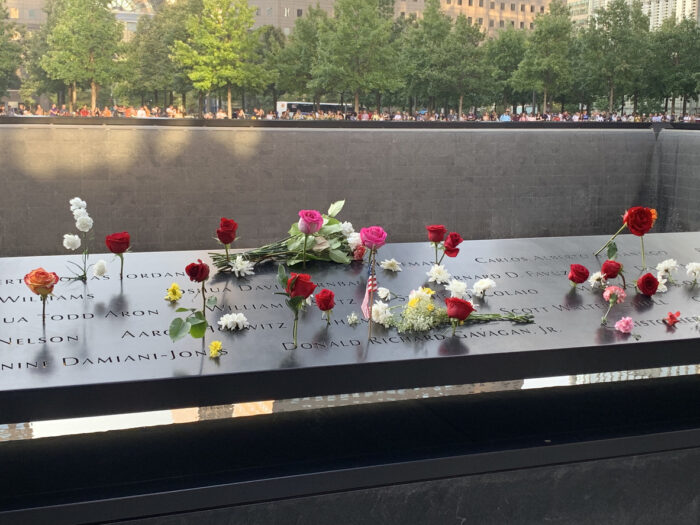
Choosing Peace After 9-11
Will we allow religion to lead us to violence, or will we allow it to lead us towards kindness and community?

Will we allow religion to lead us to violence, or will we allow it to lead us towards kindness and community?

Kristen was heartbroken over the loss of something she could never replace, and she was also his mother, and her love for him was so much bigger than her grief over a thing.

Although it is a challenging story, I think we lose an important opportunity by glossing over Hagar in the Jewish tradition.
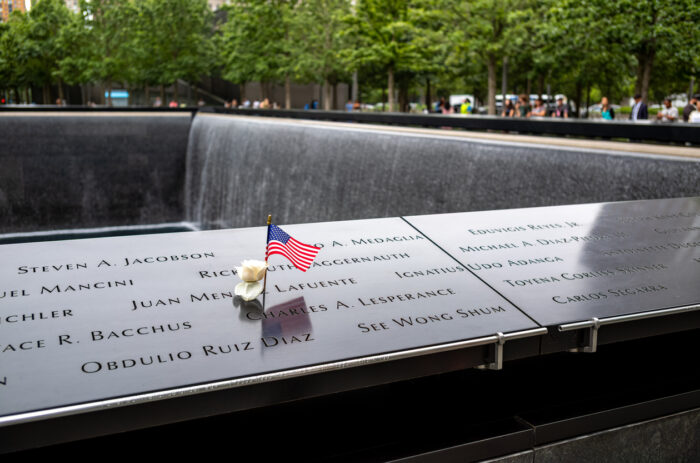
Clal Reflects on Rosh Hashanah, the High Holidays, and the 25th Anniversary of September 11, 2001.
Still, I permitted my rational self to overrule my fear of failure as I recalled the wise advice of Eleanor Roosevelt: “We must do the things we think we cannot do.”
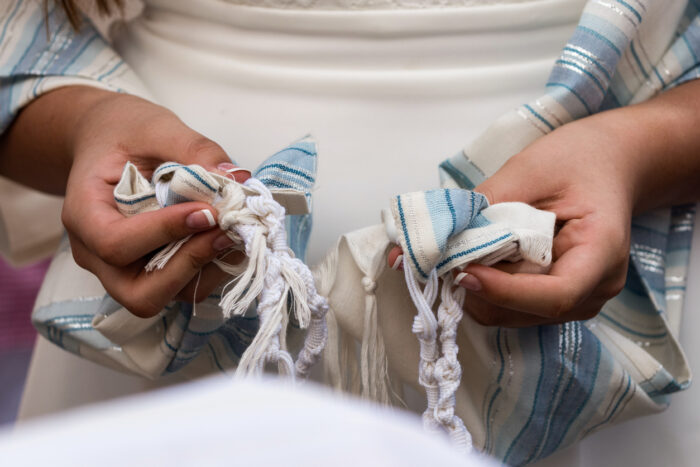
If we want people to be able to settle into a position of openness to the messages of the Days of Awe, we need to first help them feel safe—physically as well as spiritually.
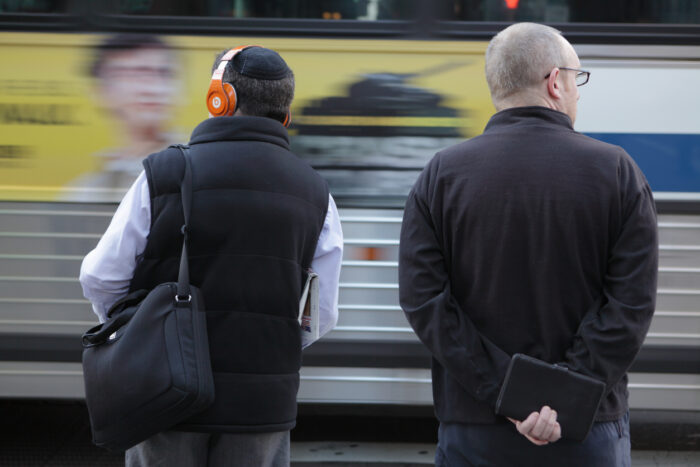
The kippah was never a challenge thrown at the world. It was a door held open.
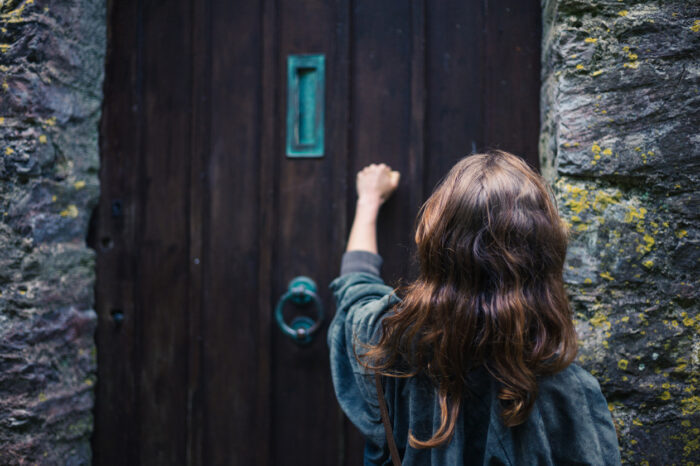
But I had gone to the one place that was supposed to have to let me in, and it sent me back to the house I’d run out of.
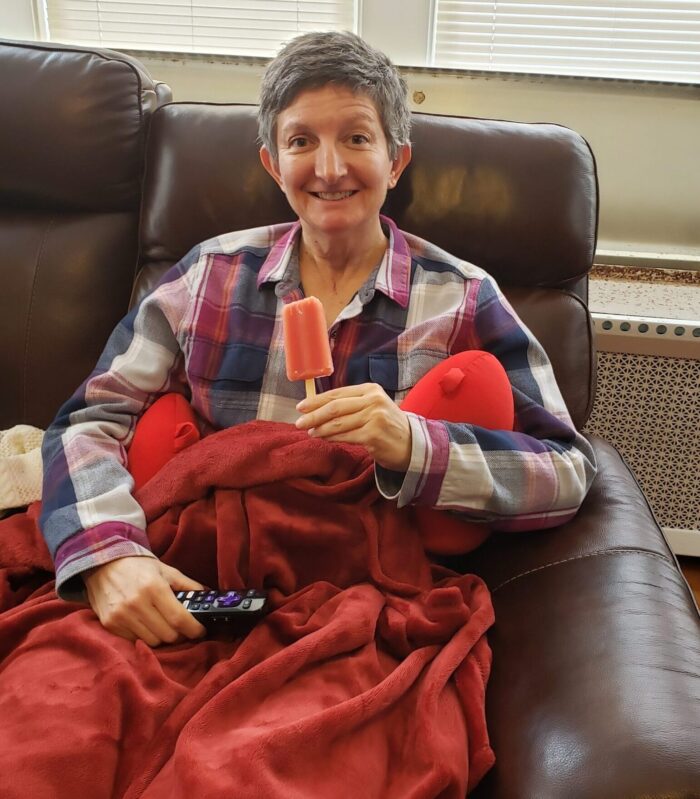
With my family’s support, I made the decision to go through elective surgeries that could lower my risk of breast and ovarian cancers to single digits.